Occupational therapy (OT) helps individuals develop, recover, or maintain the skills needed for daily living and working. For children, OT focuses on improving their ability to participate in everyday activities, enhancing their development, and supporting their overall well-being.
Who Can Benefit?
Children of all ages who face challenges in their sensory processing, motor skills, or emotional regulation can benefit from occupational therapy. This includes children with developmental delays, sensory processing disorders, motor difficulties, and emotional or behavioral challenges.
Speciality Areas
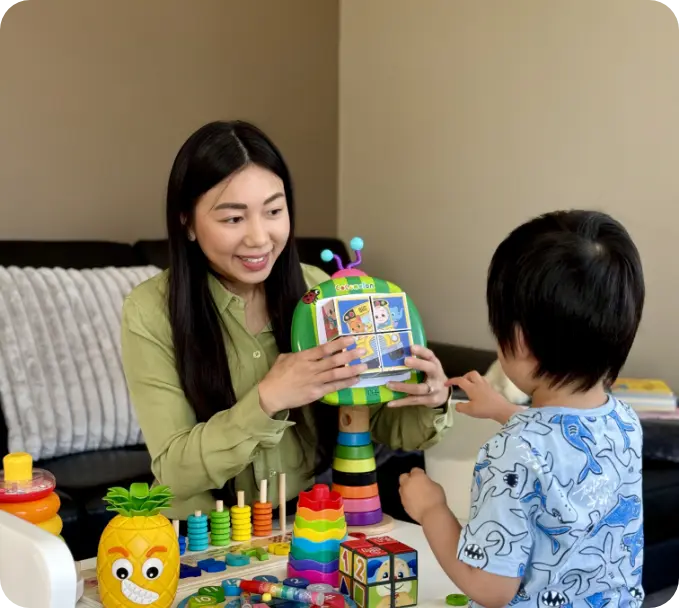
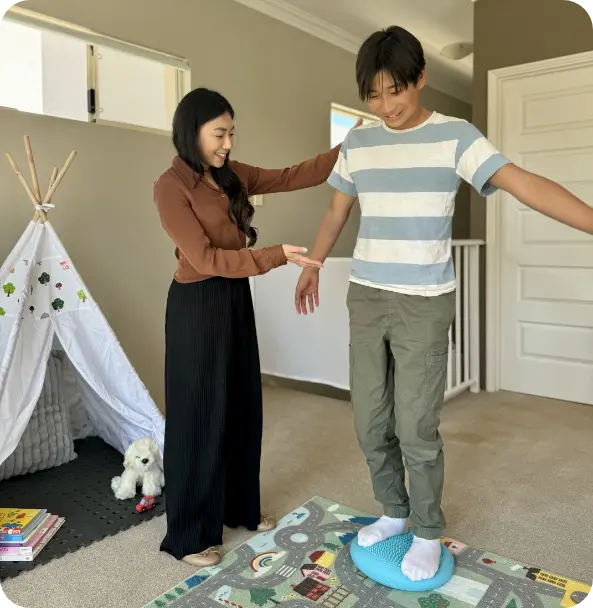
Harrisdale Mobile OT is a paediatric occupational therapy practice dedicated to supporting the development of children aged 1-18 years. Our experienced therapist provides tailored services to help kids reach their occupational goals, focusing on areas like gross and fine motor skills, social skills, emotional regulation, self-care, sensory processing, and handwriting. We work closely with families to create therapy sessions that cater to each child’s unique needs and learning style.
Our therapy sessions empower children to overcome challenges and achieve greater independence.
Assessments and Reports
Sensory Profile Assessment
We evaluate how your child processes sensory information by comparing their sensory processing abilities to other same-aged children. We then identify any sensory-related challenges by examining the impact of sensory processing on the functional performance in the daily life of your child. This will enable us to work as a team to create a tailored sensory diet to empower your child to modulate their senses.
Motor Skill Evaluations and Summary Report
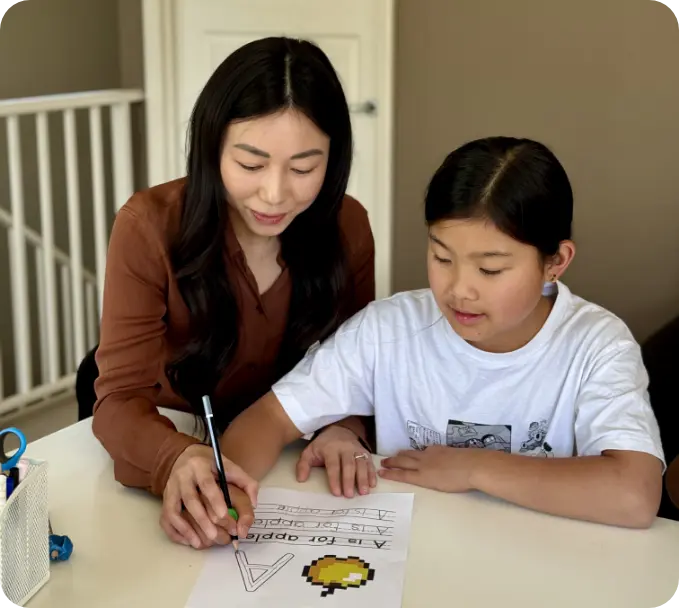
We assess both fine and gross motor abilities to determine if your child is meeting their developmental milestones and identify areas needing improvement during the initial consultation. Our handwriting assessment examines your child’s pencil grip and if they can demonstrate age-appropriate letter formation, placement, spacing and sizing. Our therapist can write you a summary report to provide to your child’s school, GP and other health professionals involved in their care.
Functional Capacity Assessments and Report
We use our clinical observations and an interview process with the child’s caregiver to identify the occupational goals and areas of focus for intervention. The assessment will also measure the level of assistance a child needs with self-care tasks; their executive functioning skills; and their adaptive behaviours in the four broad areas of communication, practical daily living skills, social skills and relationships, and physical skills. The results of these assessments can be tabled into a report that caregivers may require to apply for the NDIS and other funding bodies.
Behavioural and Emotional Assessment
An Emotional Regulation Assessment tool can be administered to help with the understanding of your child’s emotional regulation and social interaction challenges to develop appropriate interventions. The tool highlights emotional skills that your child may or may not have to best manage healthy relationships and to regulate their emotions within the home, school and community environments.
Visual Motor Integration Assessments
Is your child struggling at school with handwriting or copying shapes, letters and numbers? A Visual Motor Integration test can determine if your child experiences difficulties in their eye-hand coordination, copying, figure-ground, visual closure or form constancy. The results can point us in the right direction of the best solution your child needs to thrive at school.
Sensory Processing Assessments:
We evaluate how your child processes sensory information by comparing their sensory processing abilities to other same-aged children. We then identify any sensory-related challenges by examining the impact of sensory processing on the functional performance in the daily life of your child. This will enable us to work as a team to create a tailored sensory diet to empower your child to modulate their senses.